Residential lighting design
From AED 1,832 / room
Design only for one agreed room: concept, fixture layout, recommendations and scene intent. Hardware, installation, site visits and commissioning quoted separately.

Experience Designer · Sound Architect · Project Manager
Lighting design
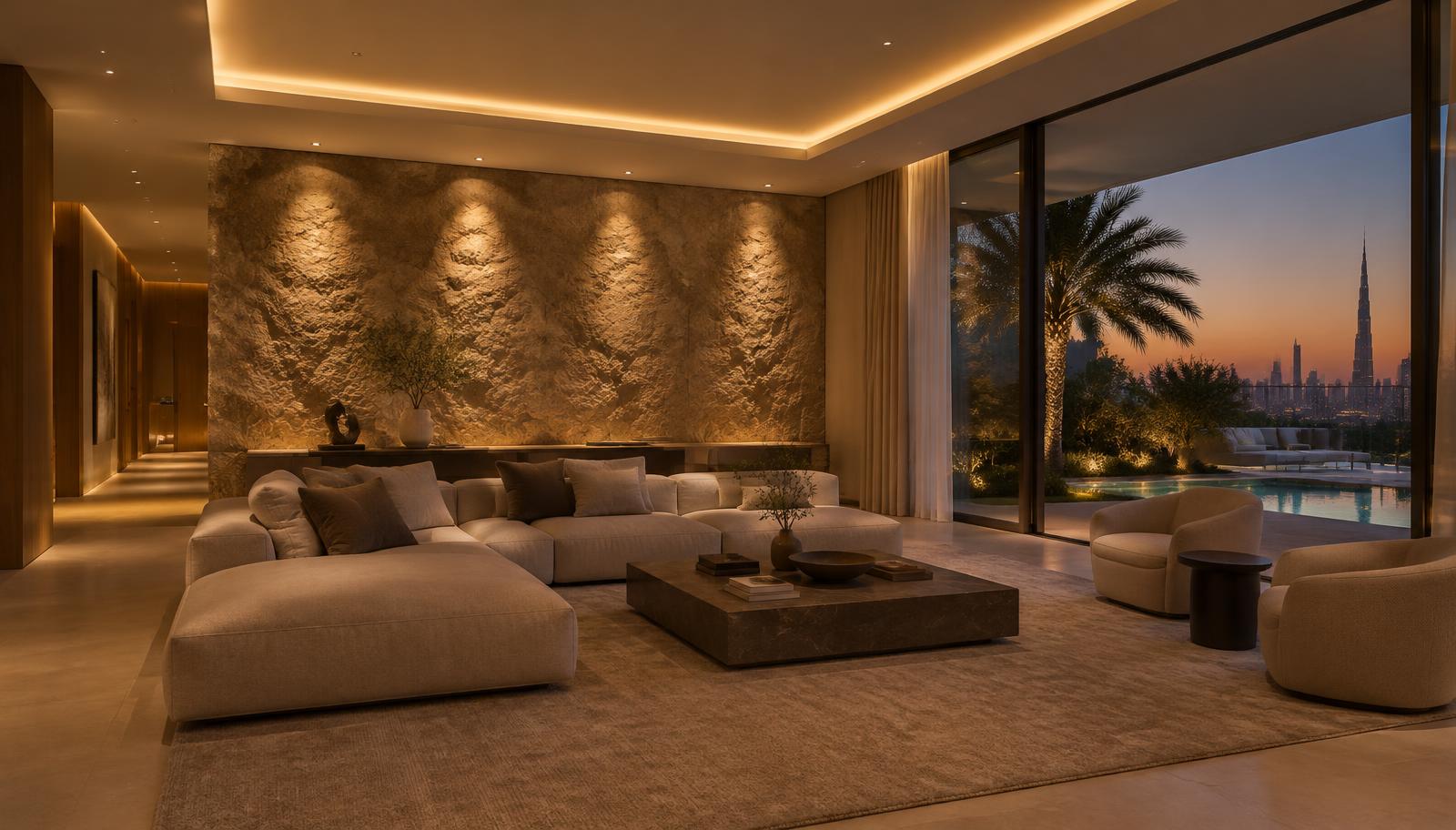
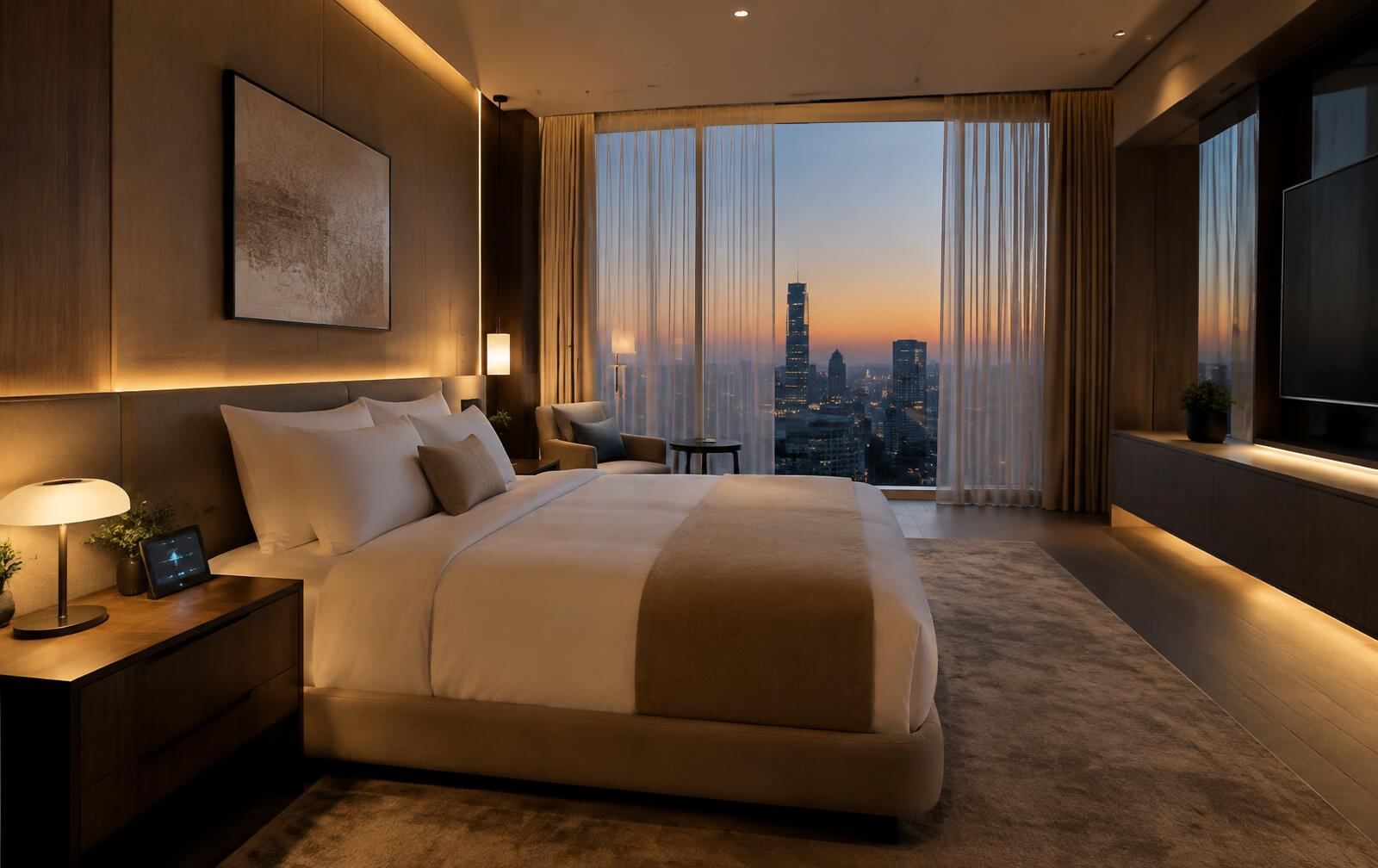
Lighting designed for architecture, comfort and experience. I provide lighting design and lighting control consultancy for luxury villas, apartments, hotels, retail spaces, offices and commercial environments.
8.1
I coordinate with:
Calculations
Detailed calculations require real project information:
Every report I prepare is based on the actual project data supplied — never on assumed or generic figures.
Scope note: which calculation software and output format are used is agreed per project in writing. Where a formal photometric calculation is required that falls outside my agreed scope, I coordinate it with the lighting designer or supplier rather than presenting it as my own.
Schedules
I prepare, coordinate and review technical lighting schedules. Typical fields:
For spotlights / downlights
For LED strips
Lighting designer / supplier
Supplies the finalised luminaire specifications and photometric information.
Electrical / MEP engineer
Responsible for electrical circuit design and applicable protection requirements.
Automation engineer (my role)
Coordinates control circuits, dimming compatibility, control loads, channel allocation, DALI addressing and integration.
Where I'm engaged to prepare schedules, the scope and source information are defined in writing first. I don't invent fixture specifications.
Tunable white
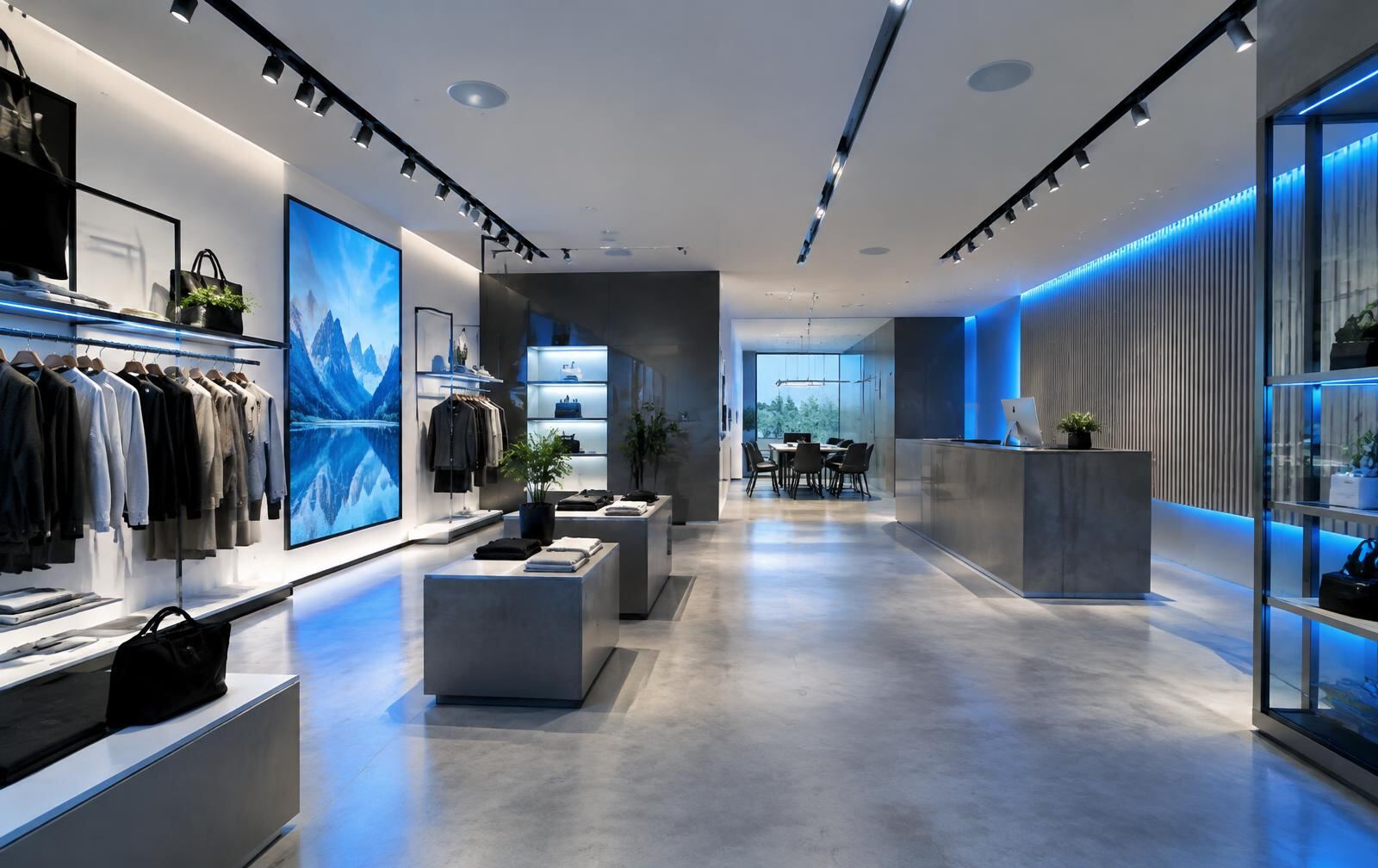
With tunable white, you adjust two things separately: how bright the light is, and its colour temperature, from warmer white to cooler white. You can have a soft, warm white in the evening and a more neutral or cooler white for focused work in the same room.
The exact range depends on the luminaire and driver specified. Tunable white is not the same as dim-to-warm, where light gets warmer only as it dims, or RGB colour-changing light. I don't promise sleep, health or circadian benefits; I design for comfort, mood and the way you use the space.
Matched equipment
Luminaires, drivers and controller must all support colour-temperature control. I check compatibility before anything is specified.
DALI-2 DT8 (Tc)
For DALI projects I specify drivers to DALI device type 8, colour temperature (Tc), defined in IEC 62386 Part 209.
KNX and other systems
With KNX, I use a KNX-DALI gateway only where it supports colour-temperature control. Not every Lutron, Dynalite or KNX product supports every fixture, so I confirm it per project.
Scenes and schedules
I set up scenes, time schedules and manual override, so you stay in control whatever the automation is doing.
Consistency
I check dimming smoothness and colour consistency between fittings, ideally with a mockup before full installation.
Commissioning checks
At commissioning I check that every group reaches the expected range and matches its neighbours.
Technical reference: DALI Alliance — colour control (DT8).
Control
Lighting control integrates with:
Spaces
Luxury villa lighting
Apartment lighting
Hotel lighting
Guest room lighting control
Retail lighting
Showroom lighting
Office lighting
Meeting room lighting
Facade lighting
Landscape lighting
Home cinema lighting
Deliverables
Deliverables depend on the agreed project scope.
Fees
From AED 1,832 / room
Design only for one agreed room: concept, fixture layout, recommendations and scene intent. Hardware, installation, site visits and commissioning quoted separately.
From AED 2,984 / room
Design only for one agreed room: concept, fixture layout, recommendations and scene intent. Specialised calculations or simulation quoted separately unless included.
Starting design fees; final quote depends on scope. Indicative starting rates. Final scope, deliverables, travel and applicable tax treatment confirmed in a written quotation before work starts.
Yes, where the project provides the information needed: drawings, room dimensions, ceiling heights, reflectance assumptions and the luminaire photometric files (IES/LDT). I don't produce calculations without real project data.
The electrical/MEP designer is responsible for circuit design and protection. I coordinate control circuits, dimming compatibility, channel allocation, DALI addressing and integration.
KNX, Lutron, Philips Dynalite, DALI, 0-10V, Casambi and wireless lighting control.
Tunable white lets you adjust brightness and colour temperature independently, so you can choose a warmer or cooler white at any level. Dim-to-warm links the two: the light gets warmer automatically as it dims, and you can't set colour temperature on its own. RGB or colour-changing lighting mixes coloured light and is a different product again.
Sometimes. It depends on whether the luminaires, drivers, wiring and controller all support colour-temperature control. A DALI system needs DT8 (Tc) capable drivers and a controller or gateway that can send colour-temperature commands. I review your existing equipment before recommending a retrofit, and often a mockup is the safest first step.